Nordic Kitchen

Scandinavian traditions
at the Polish table

Danish open-faced sandwiches, Norwegian cured fish, Swedish dumplings — explored through ingredients and methods available in Polish kitchens.

Updated May 2026 — northandtable.eu

Nordic food, explored in depth

Each article covers one dish or tradition: its origin, ingredients, preparation method and how it translates to Polish conditions.

Smørrebrød — Danish open-faced rye bread sandwich
Denmark

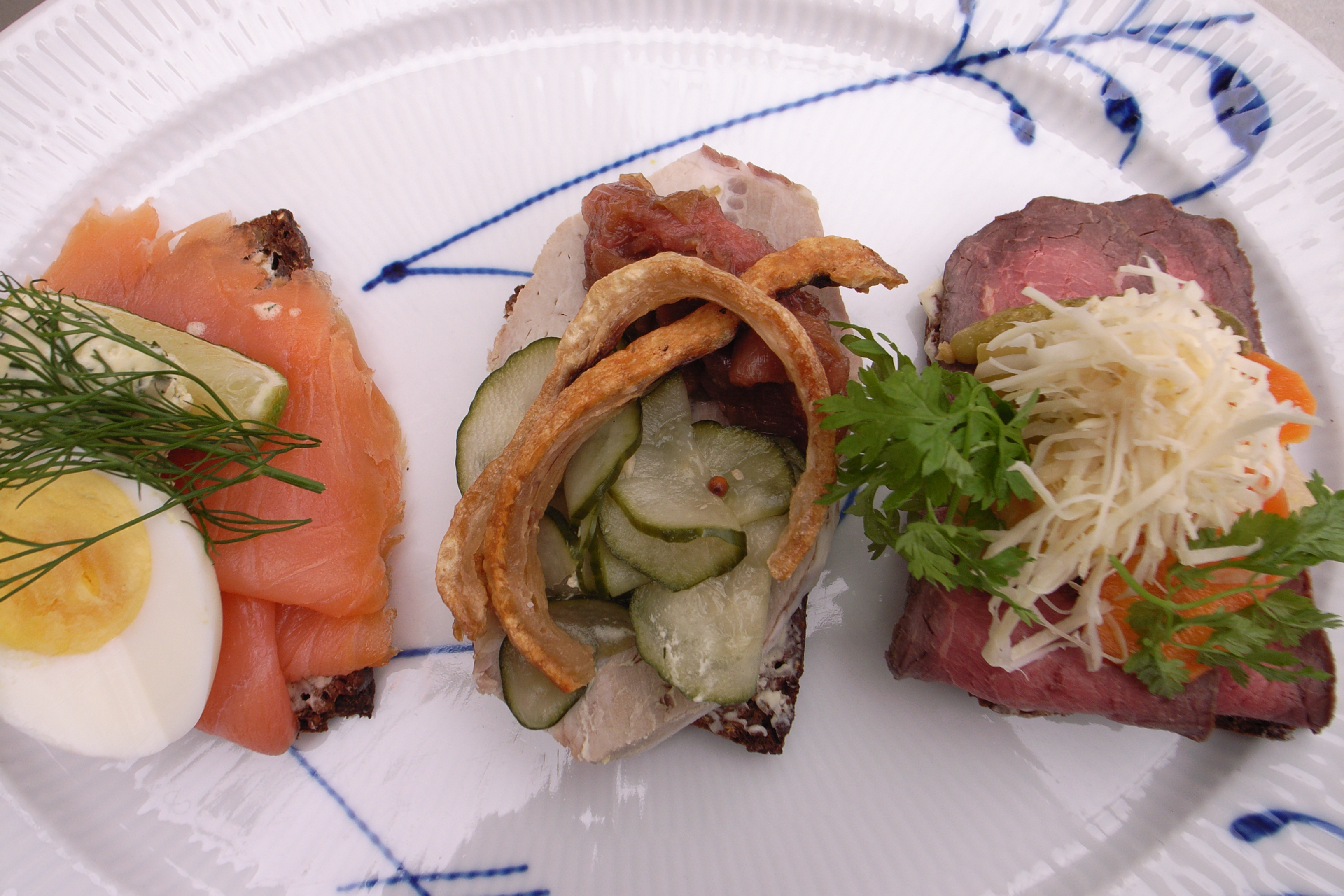
Smørrebrød: the Danish open-faced sandwich

A Danish staple built on dense rye bread, butter and precisely layered toppings — from pickled herring to roast beef. Its structure follows strict rules that vary by region and season.

Read article

May 2026

Gravlax — Nordic salt-cured salmon
Norway / Sweden

Gravlax: Nordic salt-cured salmon

Gravlax is salmon cured in salt, sugar and dill for two to three days. The method requires no heat and produces a firm, translucent fillet with a clean, herbaceous flavour.

Read article

May 2026

Swedish meatballs with lingonberry sauce
Sweden

Swedish meatballs and their traditions

Köttbullar are small, dense meatballs served with cream gravy, boiled potatoes and lingonberry jam. The dish is closely tied to Swedish holiday meals and everyday home cooking.

Read article

May 2026

Nordic rye bread

Bread, fermentation and preservation

The Nordic pantry is built around a handful of recurring techniques: long fermentation of rye dough, salt-curing of fish and meat, and cold-smoking. These are practical responses to short growing seasons and the need to store food through winter.

Dense rye bread — rugbrød in Danish, ruisleipä in Finnish — forms the base of most Nordic open-faced preparations. Its compact crumb and sour flavour come from a rye sourdough starter maintained over years.

  • Sourdough rye starters passed across generations
  • Gravlax and other salt-cured preparations
  • Pickled vegetables as year-round accompaniments
  • Cold-smoked fish traditions from coastal regions

Nordic recipes in Polish conditions

Most Nordic recipes use ingredients available across Central Europe. Atlantic salmon for gravlax is widely stocked in Polish supermarkets. Dense rye bread — close in character to pumpernikiel — is a local staple. Dill, a defining herb in Nordic cooking, is used extensively in Polish cuisine as well.

Where certain Nordic ingredients are difficult to source — cloudberries, specific varieties of smoked fish — the articles note practical alternatives or suppliers operating in Poland.

  • Ingredient sourcing notes for Poland
  • Step-by-step preparation with timing details
  • Regional variations within Nordic countries
  • Serving traditions and seasonal context
Nordic cinnamon rolls — kanelbullar

Send a question or suggestion

Use this form to submit a question about Nordic cuisine or suggest a topic for a future article.

This field is required.
Please enter a valid phone number.
This field is required.